Optical vs SAR for site-matching searches under persistent cloud
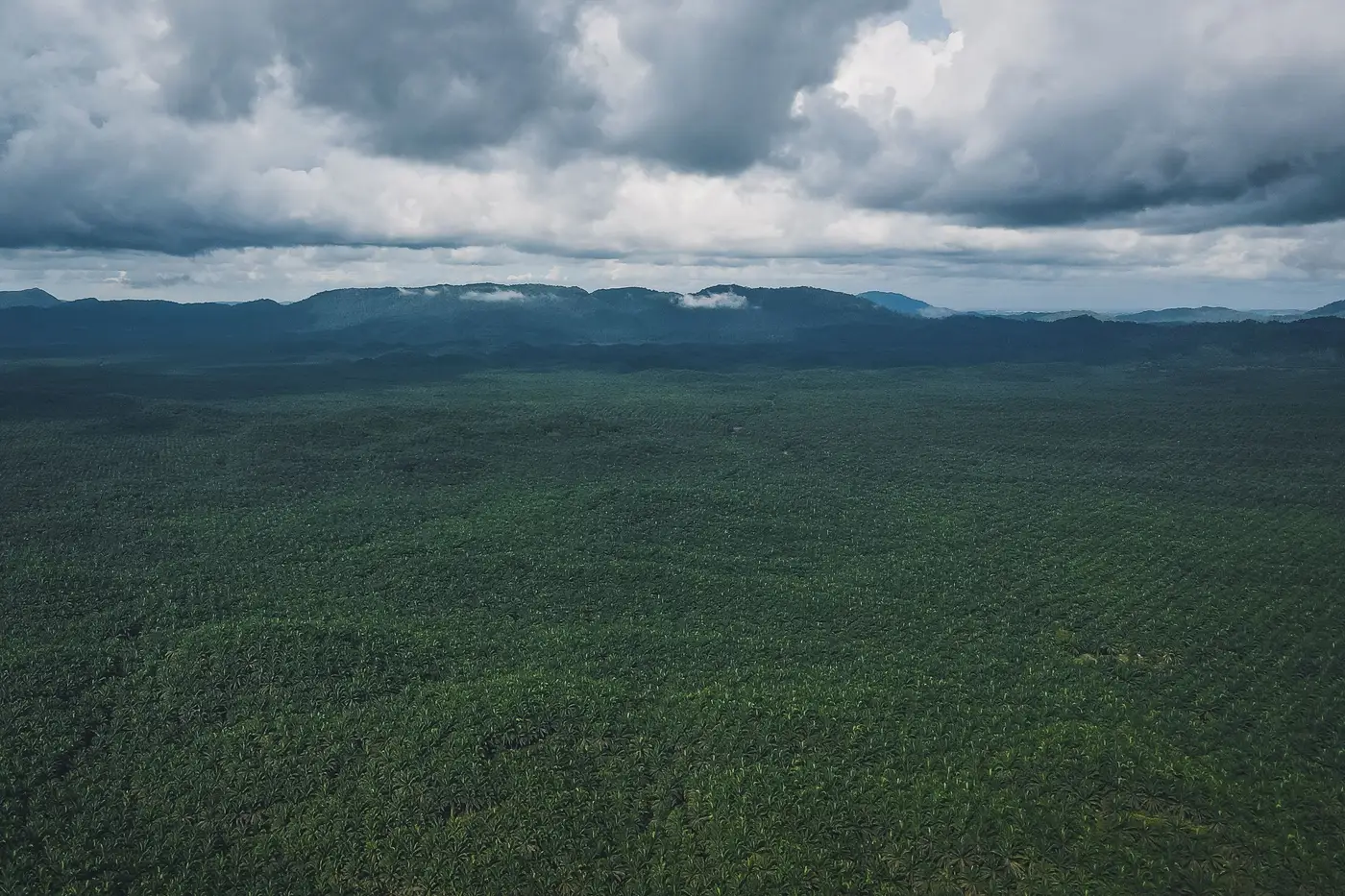
An analyst running target sets in monsoon-belt Southeast Asia, or the DRC in wet season, knows this problem by heart. One known site, a logistics yard, a revetted storage pad, an illegal mining camp, and the overhead archive for that AOI shows cloud on nine passes out of ten. The question that matters in that situation is which sensor gets you a usable similarity search this week.
What SAR actually solves here
Synthetic aperture radar sees through cloud and works at night, which is the whole reason it exists as a collection layer. For broad area similarity search specifically, it has a rougher path. Speckle and layover distort the geometry that makes a site recognizable, so a bunker that reads clearly in optical can look like noise in radar return unless an interpreter has logged real hours on that sensor and that terrain. Foundation-model embeddings built for similarity retrieval are trained almost entirely on optical archives right now.
Cross-domain matching, where your query tile is an optical chip and the archive you're searching is SAR, is a research problem today, not a workflow you can run reliably. SAR earns its place in a collection plan when an AOI never clears. It doesn't currently plug into a similarity search the way an optical archive does.
Why optical still does the matching work
Most known-site queries start as optical anyway: a chip pulled from a prior report, a geolocated photo, a coordinate someone already circled on an RGB basemap. Keeping the query and the archive in the same imaging domain matters more than people give it credit for. Color, texture, shadow length, and roofline all carry signal that a model trained on radar return simply doesn't have. The practical fix for persistent cloud is widening the time window and letting a continuous-tasking constellation find the gap.
High-res optical fleets retask often enough that even a wet-season AOI gets a handful of clear days a month, sometimes more. A similarity search run across that archive doesn't need every date cloud-free. It needs enough of them.
Running the search without waiting for a clear sky
Build the query tile from the clearest pass you've got on the known site, not necessarily the most recent one. Set the search window wide, two or three months rather than two or three weeks, so the archive has room to surface the clear days that exist somewhere in it. Treat cloud-covered dates as gaps to backfill later, not as reasons to stop the search entirely. If a tip, a comms intercept, or a shipping manifest gives you a rough date range, use it to prioritize which clear passes to pull first instead of scrolling the whole window tile by tile.
This is the workflow Broad Area Search is built around. Mark the one site you already know, and it returns every location across the search area that matches it, drawn from the high-res optical passes that are usable, instead of an analyst eyeballing cloud-free scraps one at a time. It runs on RGB satellite imagery at 0.5 to 2 meter resolution, built to match against whatever clear optical archive already exists for that AOI.
If persistent cover has been stalling a site-matching task, it's worth seeing what that search looks like once you stop scrolling and start marking.